⏱ 4 min read

Lightning and on-chain Bitcoin work together — they are not competitors. Let's understand when to use each.

Lightning vs On-Chain
0 / 4
1
Step 1 / 4

On-Chain Bitcoin

On-Chain Bitcoin

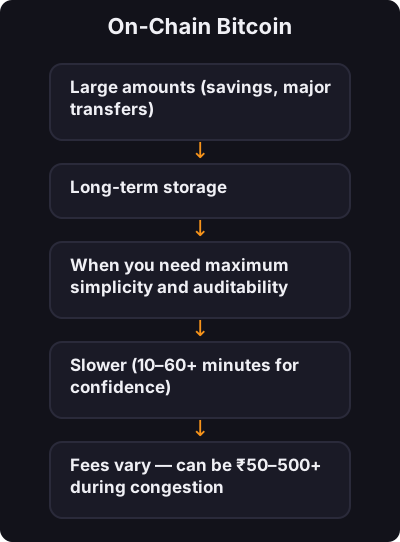
On-chain means your transaction is written directly to the Bitcoin blockchain.

Best for:

  • Large amounts (savings, major transfers)
  • Long-term storage
  • When you need maximum simplicity and auditability

Trade-offs:

  • Slower (10–60+ minutes for confidence)
  • Fees vary — can be ₹50–500+ during congestion
  • Every payment is public on the ledger

2
Step 2 / 4

Lightning Network

Lightning Network

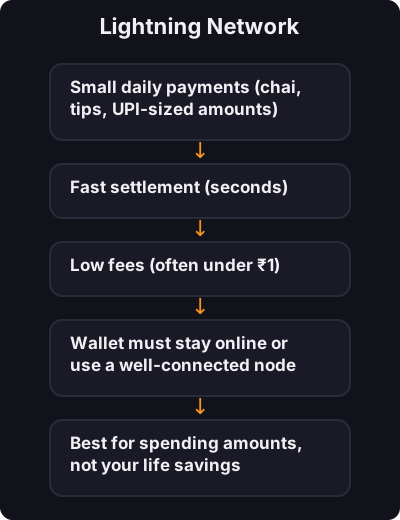
Lightning moves payments through payment channels off the main chain.

Best for:

  • Small daily payments (chai, tips, UPI-sized amounts)
  • Fast settlement (seconds)
  • Low fees (often under ₹1)

Trade-offs:

  • Wallet must stay online or use a well-connected node
  • Best for spending amounts, not your life savings
  • Requires a Lightning-capable wallet
3
Step 3 / 4

The Smart Strategy

The Smart Strategy

Most Indian Bitcoiners use both:

On-chain  →  savings, large transfers, cold storage
Lightning →  daily spending, small payments

Think of on-chain like a bank transfer for big money, and Lightning like UPI for everyday spending — but with Bitcoin.

4
Step 4 / 4

Common Mistake

Common Mistake

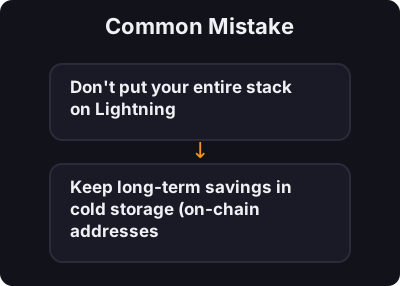
Don't put your entire stack on Lightning. Keep long-term savings in cold storage (on-chain addresses you control). Use Lightning only for amounts you're comfortable spending.

✅ Key takeaway

On-chain for saving, Lightning for spending. They complement each other — use the right tool for the right job.

🎯

Quest Challenge

Answer correctly to earn XP and unlock the next quest.